
Skip to content
Neubauportal24 A brand of GILDEPARTNER

Investment properties

New build as a capital investment.

Property can be many things. A home. A tangible asset. Provision for later life. A building block of wealth.

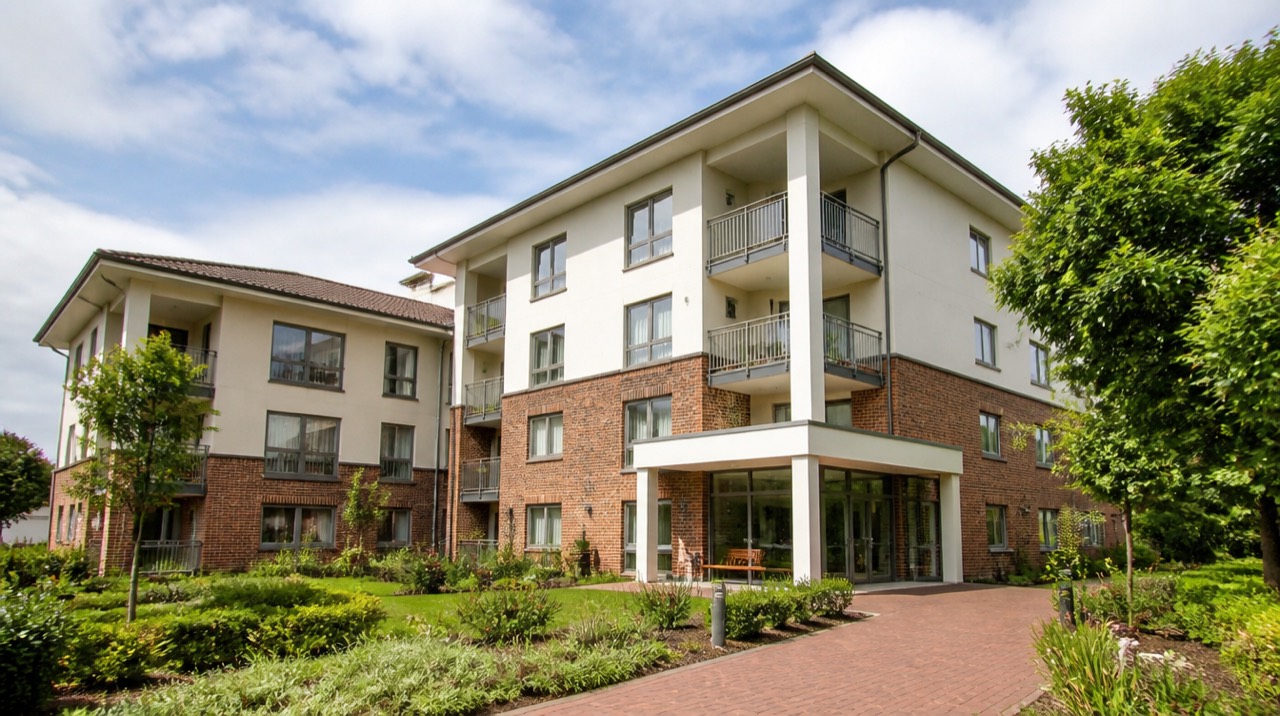
Apartment building with brick and render façade, balconies and landscaped grounds

For investors there is a further question: how do you choose a property so that financing, rental income, tax treatment and long-term quality work together sensibly?

That is precisely what we concentrate on. For our investment properties we work exclusively with selected new-build apartments built to the Efficiency House 40 standard and carrying the German Sustainable Building Quality Seal (Qualitätssiegel Nachhaltiges Gebäude, QNG).

Because a capital investment should not merely look attractive today. It should still have good arguments in ten, twenty or thirty years' time.

Why new build with QNG?

Anyone buying an apartment as an investment is not only deciding on location, size and price. They are also deciding on future maintenance, energy efficiency, lettability, financing and the scope for tax planning.

A modern new build with QNG certification brings several of these factors together:

  • Efficiency House 40 standard with the QNG seal
  • Lower refurbishment risk than existing stock
  • Contemporary layouts and specification
  • Sound conditions for long-term letting
  • Possible KfW funding
  • Particular depreciation options
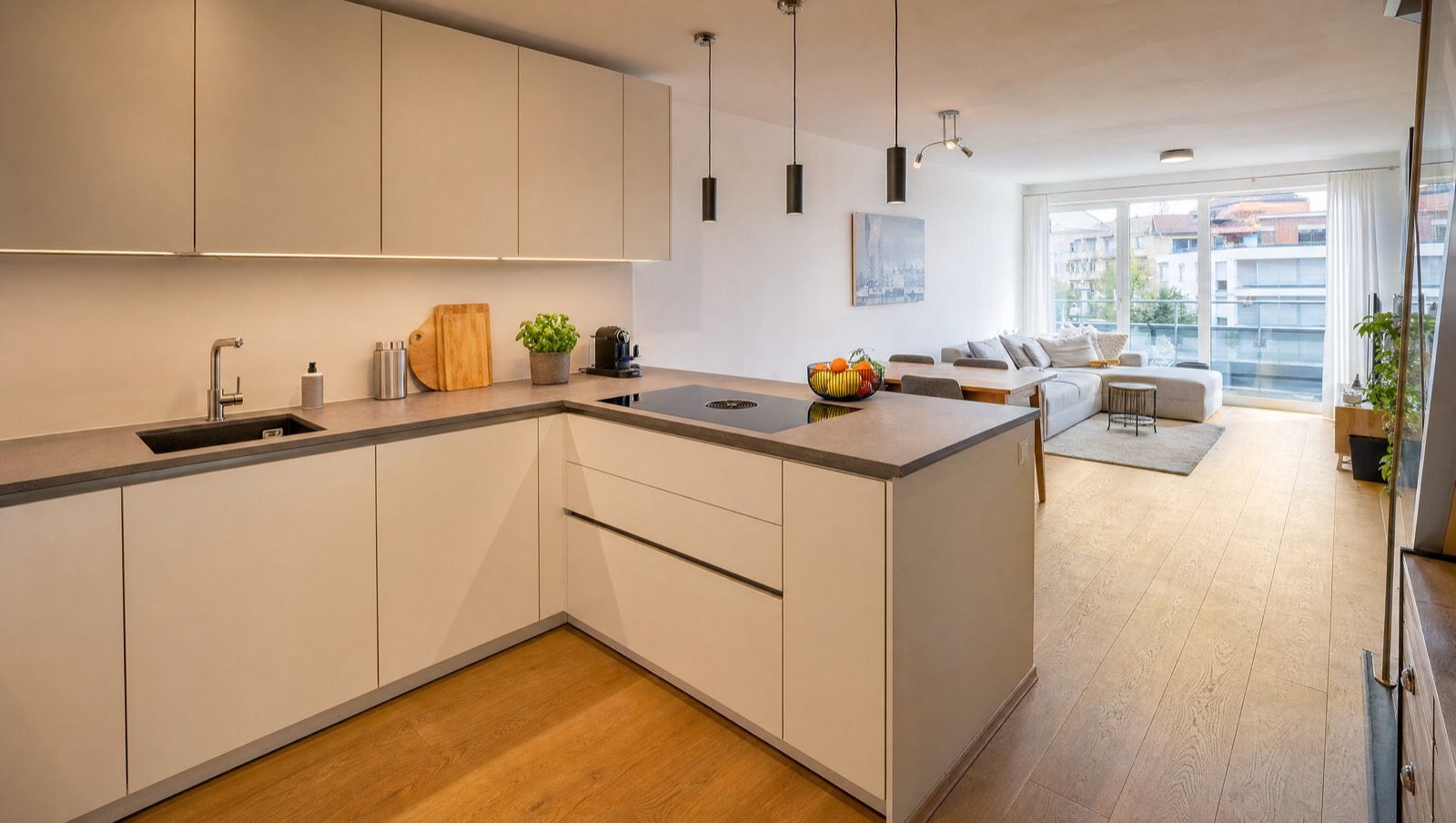
Bright new-build apartment with open kitchen, dining area and living space with balcony door

New-build apartment to Efficiency House 40 standard. Contemporary layouts, specification and energy performance.

More than the rental yield

Choosing a capital investment on the basis of the initial gross rental yield alone falls short.

What matters is what is actually left after financing, costs and tax — and what long-term prospect the property offers. With a QNG-certified new build in particular, tax depreciation can have a considerable influence on the individual picture.

That is why we do not look at investment properties in isolation by purchase price. We look at the interplay of property, location, letting, financing and the tax position available to the buyer.

Two routes to depreciation

Two forms apply to newly built residential property. Where both sets of conditions are met, they can be used alongside one another — and that is where the difference is made.

Declining-balance depreciation

5 per cent of the residual value, year after year.

Instead of the straight-line method, certain new builds may be depreciated on a declining balance. Depreciation is therefore considerably higher in the early years — exactly where the financing weighs most.

The conditions include the statutory periods for the start of construction or for acquisition.
Special allowance under § 7b EStG

Up to 5 per cent more, for four years.

New rental apartments may qualify for an additional allowance: in the year of acquisition and in each of the following three. Up to 20 per cent of the assessment base in total. The conditions include a planning application submitted after 31 December 2022 and before 1 October 2029, the statutory cost ceilings and the QNG seal.

Important

The special allowance does not apply to the full purchase price. What counts is the statutory assessment base and the buyer's personal circumstances.

Where both apply, they add up. The rent alone then no longer decides the outcome.

Worked example

A simplified example shows the order of magnitude.

Floor area70 m²
Purchase price€350,000
of which depreciable building share€300,000
Assessment base under § 7b EStG€280,000
Declining-balance AfA, 5 % of €300,000€15,000
Special allowance § 7b EStG, 5 % of €280,000€14,000

In the first full year

€29,000 possible depreciation

€12,180 tax effect at a 42 % marginal rate

€1,015 per month, rounded

In tax terms a QNG new build therefore works quite differently from a property without these options.

Calculated without rental income, financing costs or other deductible expenses. The actual effect depends on personal circumstances, on how the purchase price is apportioned and on the statutory conditions — and belongs on a tax adviser's desk before any decision.

What else belongs to it

Funding, suitability, selection — the three questions that follow the calculation.

KfW funding

Up to €150,000 per residential unit.

Climate-friendly new builds with QNG certification may qualify for subsidised loans from the KfW development bank, under the programme “Climate-friendly new build — residential buildings”.

Such funding is tied to technical and contractual conditions and has to be built into the financing in good time. Asking only after the purchase is too late.

Who this suits

Those building assets and paying tax.

Entrepreneurs, self-employed professionals, senior executives: the higher the personal tax burden, the greater the effect of an additional allowance.

But a tax advantage alone does not make a good property. Location, purchase price, achievable rent, layout and demand still have to add up.

The property has to convince first

A high allowance rescues no poor property. That is why our selection starts not with tax but with the building: location, lettability, apartment size, layout, energy standard, purchase price, long-term marketability. Only once that holds do financing, funding and tax come into play.

Selected QNG new-build schemes

On Neubauportal24 you will find new-build apartments suited to investors — exclusively with QNG certification, in a range of sizes, locations and investment volumes. On request we can work out in advance what order of magnitude fits your own figures.

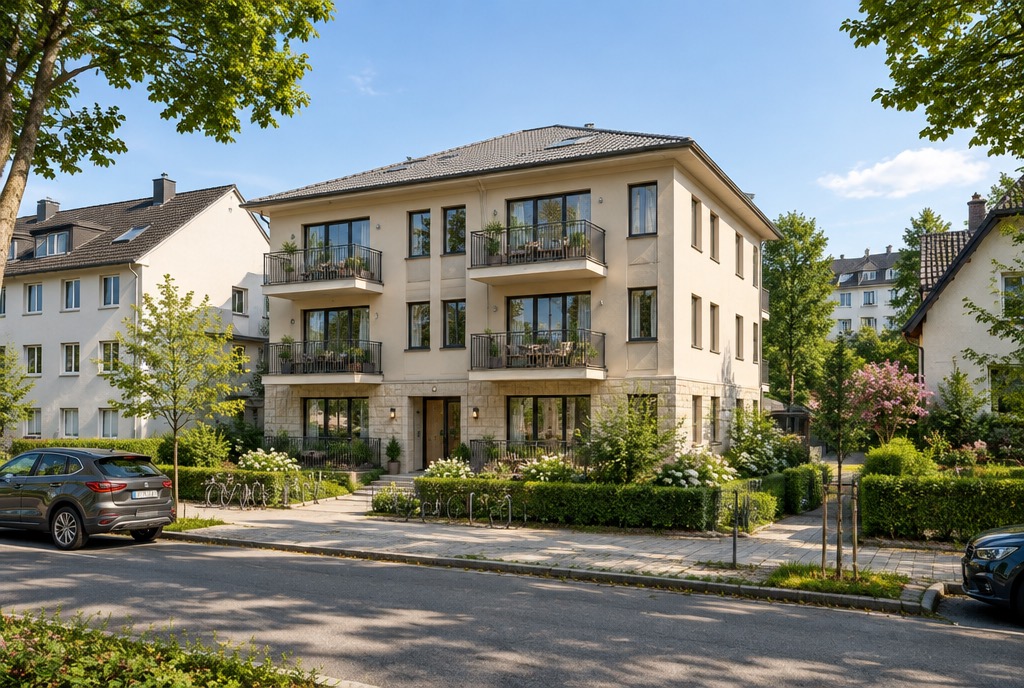
Three-storey apartment building with balconies on a quiet residential street

Which property suits your investment?

Neither the highest depreciation nor the highest quoted rental yield decides the matter on its own. What counts is the interplay: purchase price. Equity. Financing. Rent. Tax position. Investment horizon.

+49 4408 809282 info@neubauportal24.de

Note on tax and financial information

The information and calculations presented here are for general information and illustration only. They constitute neither tax, legal nor investment advice. Tax consequences depend on personal circumstances and on the statutory conditions applicable at the time. The specific tax treatment should be examined with a tax adviser before any investment decision. Funding programmes and terms are subject to change.